Why bones are in the spotlight
Bone is a living, constantly remodeled tissue that balances formation (osteoblasts) and resorption (osteoclasts). Shifts in this equilibrium—through aging, nutritional deficits, endocrine changes, reduced mechanical loading, or disease—can degrade bone quantity and quality (microarchitecture, mineralization, collagen crosslinking). The rising prevalence of low bone mass and fragility has intensified interest in peptide-based tools to probe, and potentially modulate, skeletal pathways.
Peptide Research
Below is a research-focused summary of peptide classes being investigated in cell and laboratory models for effects on bone formation, remodeling, angiogenesis, and inflammation.
Bone morphogenetic proteins (BMPs)
What they are: Developmental morphogens (e.g., BMP-2, BMP-7) that drive osteogenic lineage commitment and matrix deposition.
In models: Promote endochondral/ intramembranous bone formation, useful for studying nonunion and spinal fusion biology. Delivery matrices and context-dependent signaling can influence outcomes, including risk of ectopic mineralization—an active area of materials and concentration-agnostic mechanism research.
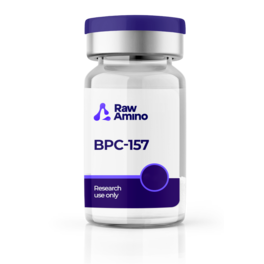
BPC-157
What it is: A synthetic gastric pentadecapeptide explored across soft-tissue and musculoskeletal paradigms.
In models: Reports describe accelerated defect repair, improved biomechanical readouts, and shifts toward osteoblast activity with concurrent restraint of osteoclastogenesis; angiogenic support and redox modulation are frequently noted as co-mechanisms.
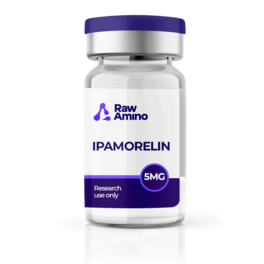
Ipamorelin (GHSR agonist)
What it is: A selective growth-hormone secretagogue receptor (GHSR) agonist derived from the ghrelin family.
In models: Associated with increased bone mineral content, longitudinal bone growth, and enhanced collagen synthesis; studies indicate stimulation of osteoblast proliferation/differentiation alongside reduced resorptive signaling. Anti-nociceptive and anti-inflammatory effects seen with ghrelin mimetics may contribute secondary benefits in bone-healing contexts.
IGF-1 axis (as a readout of GH signaling)
What it is: IGF-1 mediates many anabolic effects downstream of GH.
In models: Promotes mesenchymal stem-cell recruitment, osteoblast proliferation/differentiation, collagen synthesis, and mineralization; supports fracture callus maturation and influences the formation–resorption balance during remodeling. GH/IGF-1 coupling is routinely measured when probing GHSR/GHRH-pathway peptides.
Parathyroid hormone (PTH)
What it is: An endogenous peptide regulator of calcium–phosphate homeostasis.
In models: Temporal dynamics matter—continuous exposure favors resorption, while intermittent exposure patterns are associated with osteoanabolic signaling (increased osteoblast number/activity). Mechanistic work focuses on downstream cAMP/PKA/Wnt interactions and the osteoblast–osteoclast coupling milieu.
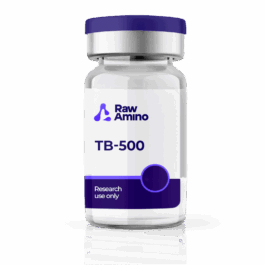
Thymosin Beta-4 (Tβ4) and the TB-500 fragment
What they are:
• Thymosin Beta-4 (Tβ4): 43-aa actin-binding peptide implicated in cell migration, angiogenesis, and repair.
• TB-500: A 7-aa synthetic fragment (LKKTETQ) derived from Tβ4’s actin-binding motif.
In models: Tβ4 has been reported to support osteoblast migration/differentiation, temper osteoclastogenesis, and modulate inflammatory signaling; fragment studies suggest suppression of osteoclastic differentiation and support for periodontal-ligament cell homeostasis. Hematopoietic co-culture work hints at marrow-supportive effects. Clarifying which outcomes require the full-length peptide versus the fragment remains an active line of inquiry.
Key takeaways (research context only)
• Multiple levers, one organ: Effective skeletal regeneration likely requires synchronized modulation of osteogenesis, angiogenesis, inflammation resolution, and matrix remodeling.
• Temporal biology matters: For pathways like PTH and GH/IGF-1, patterned signaling can yield divergent outcomes—an essential consideration for experimental design.
• Quality as well as quantity: Beyond bone mineral density, microarchitecture and matrix composition (e.g., collagen organization) are important readouts in peptide studies.
• Translation needs rigor: Standardized models, unbiased histomorphometry/µCT endpoints, and head-to-head comparisons will help separate truly osteoanabolic effects from general pro-repair signals.
References
- Office of the Surgeon General (US). The Frequency of Bone Disease. In: Bone Health and Osteoporosis: A Report of the Surgeon General. 2004.
- Sampath TK, Vukicevic S. Biology of bone morphogenetic protein in bone repair and regeneration. Bone. 2020.
- Sebecić B, et al. Osteogenic effect of BPC-157 in segmental bone defect (rabbit). Bone. 1999.
- Svensson J, et al. Ipamorelin/GHRP-6 increase bone mineral content (rat). J Endocrinol. 2000.
- Johansen PB, et al. Ipamorelin induces longitudinal bone growth (rat). Growth Horm IGF Res. 1999.
- Mohammadi EN, et al. Ghrelin mimetics attenuate visceral & somatic nociception. J Exp Pharmacol. 2020.
- Kroll MH. Temporal effects of PTH on bone formation/resorption (modeling). Bull Math Biol. 2000.
- Lee S-I, et al. TB-500 (Tβ4 fragment) suppresses osteoclastic differentiation; anti-inflammatory effects in periodontal-ligament cells. PLOS ONE. 2016.
- Moscinski LC, et al. Thymosin β4 synergizes with GM-CSF in marrow proliferation. Immunopharmacology. 1993.
Disclaimer: The information provided is intended solely for educational and scientific discussion. The compounds described are strictly intended for laboratory research and in-vitro studies only. They are not approved for human or animal consumption, medical use, or diagnostic purposes. Handling is prohibited unless performed by licensed researchers and qualified professionals in controlled laboratory environments.