Introduction
Hair-follicle cycling is regulated by tightly coordinated interactions among epithelial stem cells, dermal papilla signaling, immune-vascular inputs, and extracellular-matrix (ECM) dynamics. Perturbations in androgen signaling, stress axes, and nutrient and inflammatory pathways can shift follicles toward prolonged telogen, miniaturization, or dysregulated anagen entry. Conventional research has often focused on single-node regulators; however, follicle biology emerges from multi-nodal networks that couple cytoskeletal remodeling, angiogenesis, and redox homeostasis to gene-expression programs in the niche.
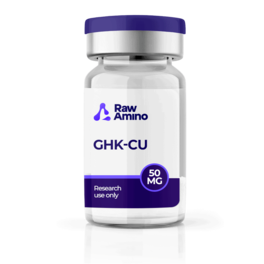
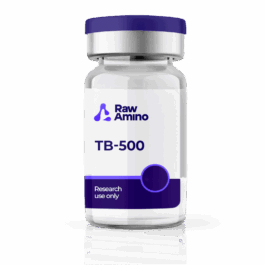
Peptide-based biomolecules are of growing interest in laboratory studies because they can engage these networks at multiple levels—modulating matrix turnover, stem-cell motility, and pro-growth signaling without necessarily mimicking endocrine factors. Two such agents, the copper-binding tripeptide GHK-Cu and the actin-sequestering peptide Thymosin Beta-4 (TB-500), have been investigated in vitro and in animal models for their capacity to influence anagen initiation, follicular architecture, and microenvironmental support. The discussion below synthesizes mechanistic themes from preclinical literature while maintaining a strictly research-focused lens.
Follicular Microenvironments and Network-Level Control
Follicle stem cells (HFSCs) in the bulge and secondary hair germ transition between quiescence and activation based on integrated cues from Wnt/β-catenin, BMP/TGF-β, Hedgehog, and PI3K/AKT–MAPK pathways. Dermal papilla–derived morphogens, perivascular oxygen and nutrient flux, and ECM stiffness collectively shape these decisions. Successful anagen entry requires (i) cytoskeletal reorganization for progenitor migration, (ii) synchronized matrix proteolysis for tissue remodeling, and (iii) vascular support to meet increased metabolic demand. Peptides that tune angiogenic signaling, metalloproteinase activity, and redox–inflammatory tone can therefore shift the system toward growth-permissive states in laboratory models.
GHK-Cu: Matrix Remodeling and Gene-Network Reprogramming
GHK (glycyl-L-histidyl-L-lysine) complexes Cu(II) and has been observed to influence multiple skin- and follicle-relevant processes in experimental settings. At the tissue level, GHK-Cu promotes ECM turnover by stimulating collagen and glycosaminoglycan synthesis while coordinating matrix metalloproteinases and their inhibitors, a balance essential for follicle shaft emergence and infundibulum remodeling. At the cellular level, preclinical studies indicate support for fibroblast viability, endothelial cell recruitment, and neurite extensions that together refine the perifollicular niche. Omics analyses suggest broad transcriptional modulation—impacting oxidative stress responses, proteostasis, and inflammation—consistent with a peptide that reconditions microenvironments rather than targeting a single receptor. In oxidative or UV-stress paradigms, GHK-Cu has been reported to limit reactive species formation and protect keratinocyte integrity, potentially stabilizing anagen-supportive conditions.
TB-500: Cytoskeletal Dynamics, Stem-Cell Motility, and Angiogenic Coupling
Thymosin Beta-4 (TB-500) is a 43-amino-acid peptide that binds G-actin, thereby shaping the G/F-actin equilibrium critical for cell migration, growth-cone guidance, and process extension. In follicular contexts, experimental overexpression has been associated with accelerated anagen re-entry, increased hair-shaft counts, and clustered follicle patterning, whereas genetic deletion produces the converse. Mechanistic readouts in animal models and ex vivo systems point to (i) enhanced expression of VEGF with downstream activation of MAPK (p38/ERK) and PI3K/AKT cascades; (ii) upregulation of MMP-2 supporting ECM remodeling and cell egress; and (iii) crosstalk with Wnt/β-catenin/Lef-1 axes linked to follicular morphogenesis. Together, these actions couple stem-cell mobilization with angiogenesis, aligning metabolic supply with proliferative demand during early anagen in controlled experimental settings.
Signaling Convergence: Wnt, MAPK/PI3K, and ECM–Vascular Interlocks
Both GHK-Cu and TB-500 interface with signaling nodes that converge on follicle activation. Wnt/β-catenin drives lineage specification and matrix production; MAPK and AKT pathways coordinate proliferation and survival; and ECM remodeling via MMPs enables structural transitions required for shaft emergence. VEGF-mediated angiogenesis further stabilizes growth by improving oxygen and nutrient delivery. While GHK-Cu emphasizes redox control and matrix–gene reprogramming, TB-500 emphasizes cytoskeletal enablement and migratory competence; in combination models, these features may be complementary, reinforcing anagen-permissive states through distinct yet intersecting mechanisms.
Redox and Inflammation: Preserving the Growth-Permissive State
Follicular cycling is sensitive to oxidative and inflammatory load. Excess ROS or sustained cytokine signaling can lock HFSCs into quiescence or precipitate miniaturization. GHK-Cu has been reported to modulate antioxidant gene expression and mitigate reactive species burden in vitro, while TB-500 has been associated with controlled inflammatory profiles in diverse tissues. By maintaining proteostasis and limiting oxidative damage, these peptides may help preserve signaling fidelity in niches where redox imbalance otherwise disrupts Wnt and growth-factor pathways—an effect observed in laboratory models rather than applied contexts.
Experimental Considerations and Boundary Conditions
Outcomes in peptide research are influenced by species/strain differences, follicle density and cycling synchrony, microdose timing relative to telogen/anagen phases, and the specific readouts (e.g., shaft counts, histology, vascular markers, or transcriptomics). Because peptides engage broad networks, distinguishing primary from secondary effects requires multimodal approaches (live-cell imaging of actin dynamics, ECM proteolysis assays, vascular permeability mapping, and single-cell transcriptomics). Additionally, interactions with trace-metal homeostasis (for GHK-Cu) and global cytoskeletal regulation (for TB-500) warrant attention to off-target or compensatory responses in controlled experimental systems.
Conclusion
In preclinical investigations, GHK-Cu and TB-500 exemplify peptide modulators that act across matrix biology, vascular signaling, cytoskeletal remodeling, and stress-response pathways to influence hair-follicle growth states. Rather than operating as single-target switches, these molecules appear to reshape the perifollicular microenvironment and intracellular programs that govern anagen initiation and maintenance. Future laboratory work integrating spatial omics, quantitative biomechanics of the niche, and time-resolved signaling analyses will be critical to delineate causal pathways, define boundary conditions, and determine how these mechanisms generalize across experimental models. Continued study in controlled research settings is warranted.
References
- Pickart L, Vasquez-Soltero JM, Margolina A. GHK-Cu may Prevent Oxidative Stress in Skin by Regulating Copper and Modifying Expression of Numerous Antioxidant Genes. Cosmetics. 2015; 2(3):236-247. https://doi.org/10.3390/cosmetics2030236
- Gao X, Liang H, Hou F, Zhang Z, Nuo M, et al. TB-500 Induces Mouse Hair Growth. PLOS ONE 10(6): e0130040. https://doi.org/10.1371/journal.pone.0130040
- Pickart L, Margolina A. Regenerative and Protective Actions of the GHK-Cu Peptide in the Light of the New Gene Data. Int J Mol Sci. 2018 Jul 7;19(7):1987. doi: 10.3390/ijms19071987. PMID: 29986520; PMCID: PMC6073405.
- Philp D, Nguyen M, Scheremeta B, St-Surin S, Villa AM, Orgel A, Kleinman HK, Elkin M. Thymosin beta4 increases hair growth by activation of hair follicle stem cells. FASEB J. 2004 Feb;18(2):385-7. doi: 10.1096/fj.03-0244fje. Epub 2003 Dec 4. PMID: 14657002.
- Pickart L, Vasquez-Soltero JM, Margolina A. GHK Peptide as a Natural Modulator of Multiple Cellular Pathways in Skin Regeneration. Biomed Res Int. 2015;2015:648108. doi: 10.1155/2015/648108. Epub 2015 Jul 7. PMID: 26236730; PMCID: PMC4508379.
- Gao XY, Hou F, Zhang ZP, Nuo MT, Liang H, Cang M, Wang ZG, Wang X, Xu T, Yan LY, Guo XD, Liu DJ. Role of thymosin beta 4 in hair growth. Mol Genet Genomics. 2016 Aug;291(4):1639-46. doi: 10.1007/s00438-016-1207-y. Epub 2016 Apr 29. PMID: 27130465.
Disclaimer: The information provided is intended solely for educational and scientific discussion. The compounds described are strictly intended for laboratory research and in-vitro studies only. They are not approved for human or animal consumption, medical use, or diagnostic purposes. Handling is prohibited unless performed by licensed researchers and qualified professionals in controlled laboratory environments.