Introduction
Cellular “energy” in biological research spans coordinated processes from mitochondrial ATP production to neuromodulatory states that bias vigilance, motivation, and motor output. Fatigue-like phenotypes in laboratory models often reflect composite constraints: substrate delivery to mitochondria, redox balance, endocrine tone, sleep–wake architecture, and motivational circuitry. A mechanistic survey therefore benefits from mapping candidate peptides and related biomolecules onto the pathways they influence rather than treating “energy” as a single endpoint.
Conventional approaches typically interrogate one stratum at a time—for example, mitochondrial respiration or catecholaminergic signaling—yet the resulting improvements can be state-dependent and transient. Peptides and peptide-adjacent small molecules are under investigation because they engage nodal control points (e.g., G-protein–coupled receptors, mitochondrial stress sensors, and endocrine axes) that coordinate multiple layers simultaneously. The sections below outline how selected agents—evaluated in vitro or in preclinical preparations—appear to influence (i) mitochondrial bioenergetics and substrate routing, (ii) motivational/arousal circuits, (iii) cognitive efficiency under load, (iv) somatotropic signaling related to strength and recovery proxies, and (v) sleep-linked restoration.
Mitochondrial and Metabolic Routing: Candidate Modulators
AMPK–Fatty Acid Oxidation Coupling (PPARδ Agonism). Agonism of peroxisome proliferator-activated receptor-δ (PPARδ) can bias skeletal muscle toward oxidative phenotypes, increasing fatty-acid transport and β-oxidation capacity. In murine endurance paradigms, PPARδ activation has been shown to preserve circulating glucose during prolonged exertion while enhancing total running time, consistent with a shift in substrate preference and improved mitochondrial economy. Such findings suggest that transcriptional remodeling of lipid handling may raise endurance-like readouts without directly increasing ATP synthesis machinery but by reducing metabolic bottlenecks in muscle tissue.
Nicotinamide N-Methyltransferase (NNMT) Axis and Glycolytic Access. NNMT activity shapes methyl-group flux and has downstream effects on energy-wasting (“futile”) cycles and glucose handling. Selective small-molecule NNMT inhibitors, such as 5-Amino-1MQ, have been reported in rodent studies to reduce adiposity and improve lipid profiles while modulating GLUT4 expression in muscle, thereby facilitating glucose uptake during demand states. In experimental contexts, such re-routing of substrates can secondarily alter insulin signaling tone and support higher work output before metabolite accumulation constrains contraction.
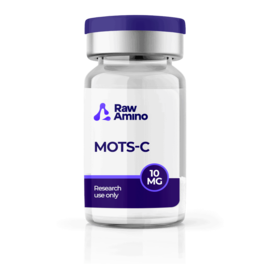
Mitochondrial-Derived Peptide Signaling. MOTS-c, encoded within mitochondrial DNA, appears to translocate to the nucleus under metabolic stress and engage AMPK-linked programs that favor fatty-acid and glucose utilization. In animal studies, MOTS-c has been associated with improved exercise capacity and stress resilience, consistent with a role in maintaining redox balance and preserving mitochondrial function during high-demand states. By acting upstream of multiple metabolic nodes, MOTS-c may raise the ceiling for sustained ATP generation from mixed substrates.
Central Motivation and Arousal: Melanocortin Network Probes
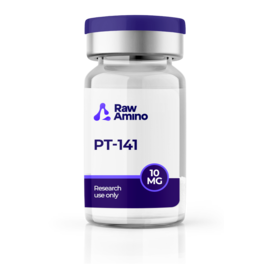
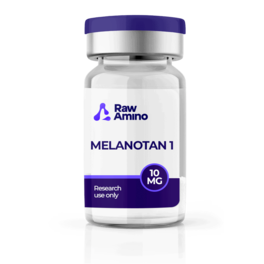
MC3R/MC4R-Dependent Drive and Readiness. Peptidergic melanocortin agonists (e.g., PT-141/bremelanotide, and earlier scaffolds such as melanotan analogs) are frequently used as probes of central motivation circuits. MC4R-biased signaling in hypothalamic and brainstem nodes can alter autonomic outflow and preparedness, whereas MC3R activity interacts with mesolimbic dopamine to adjust approach behavior and effort allocation. In laboratory models, dual engagement of these receptors increases the probability of arousal-like behaviors when appropriate contextual stimuli are present, highlighting the separation of “drive” (motivation) from “effector” (autonomic/vascular) components within the same network.
Cognitive Efficiency and Stress Modulation
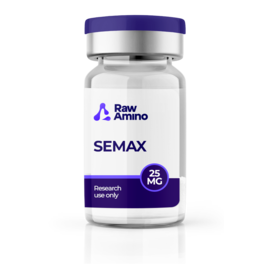
Neuropeptidergic Nootropics (Selank, Semax). Tuftsin-derived Selank and the heptapeptide Semax have been reported in preclinical literature to elevate brain-derived neurotrophic factor (BDNF) expression and modulate monoaminergic tone. Increased BDNF can enhance synaptic plasticity and learning efficiency, effectively lowering the metabolic cost of information processing (“more output per ATP”). Parallel anxiolytic-like or stress-reducing actions may further conserve attentional resources by diminishing distractor salience, thereby improving sustained task performance in experimental settings.
Somatotropic Signaling and Work Capacity Proxies
GHRH Agonists and GHSR Agonists. Peptides that engage the growth-hormone axis cluster into (i) GHRH-receptor agonists (e.g., sermorelin, CJC-1295, tesamorelin) that preserve pulsatility while elevating amplitude, and (ii) ghrelin-receptor (GHSR) agonists/secretagogues (e.g., ipamorelin, GHRP-2/-6, hexarelin) that recruit complementary pathways. Across animal investigations, upregulated GH/IGF-1 signaling is associated with higher lean mass accrual, improved recovery indices, and alterations in substrate selection during exertion. Secretagogues often influence appetite and orexigenic signaling, coupling energy intake to anticipated anabolic demand. Ipamorelin has additionally been linked to favorable sleep-stage architecture in preclinical reports, suggesting an indirect route to improved daytime performance via nocturnal restoration.
Sleep Architecture as an Energy Multiplier
Slow-Wave Consolidation and Circadian Inputs. Delta Sleep-Inducing Peptide (DSIP) has been studied for effects on sleep staging, with reports of shortened sleep latency and increased slow-wave sleep in select experimental paradigms. Pineal-derived peptide research (Epitalon/Epithalon) has explored normalization of melatonin rhythms and gene-expression programs pertinent to circadian alignment—mechanisms that can stabilize metabolic timing and synaptic maintenance during the dark phase. Non-peptidic GHSR agonists such as MK-677 (ibutamoren) have demonstrated increases in stage-4 and REM proportions and reduced REM latency in controlled settings, consistent with GH-linked modulation of sleep homeostasis. Collectively, these agents underscore that robust daytime “energy” in models often emerges from optimized nocturnal consolidation rather than isolated daytime stimulatory effects.
Integrative View: From Substrates to States
Energy-related phenotypes arise when substrate routing, mitochondrial economy, endocrine milieu, and network-level arousal converge. Agents that solely increase substrate availability may have limited impact if sleep-dependent synaptic and endocrine restoration is suboptimal; conversely, improved sleep without adequate metabolic routing may leave endurance-like outputs unchanged. Peptides and related modulators provide orthogonal levers: mitochondrial stress peptides (MOTS-c) for cellular economy, melanocortins (PT-141, melanotan analogs) for motivational state probability, neuropeptidergic nootropics (Selank/Semax) for cognitive efficiency, GH-axis probes (GHRH/GHSR agonists) for capacity and recovery, and sleep-stage modulators (DSIP, Epitalon, MK-677) for restoration.
Conclusion
Within experimental systems, “energy” is best conceptualized as an emergent property of coordinated biochemical and neural processes rather than a single measurable variable. The compounds surveyed here map to distinct but interacting control points: mitochondrial substrate use, endocrine set-points, neural drive, and sleep-linked plasticity. Preliminary and preclinical findings suggest that multi-node modulation can yield larger and more stable phenotypic shifts than single-node interventions. Future work should prioritize circuit-specific readouts, state-dependent designs, and longer-horizon assessments to determine how these mechanisms interact over time and under varying metabolic loads.
References
- D. Schneider-Helmert and G. A. Schoenenberger (1981). The influence of synthetic DSIP (delta-sleep-inducing-peptide) on disturbed human sleep. Experientia, 37(9), 913–917. https://doi.org/10.1007/BF01971753
- A. Shimatsu (2004). [Ghrelin-related drugs: clinical perspectives]. Nihon Rinsho (Jpn J Clin Med), 62 Suppl 9, 435–438.
- W. Fan et al. (2017). PPARδ Promotes Running Endurance by Preserving Glucose. Cell Metabolism, 25(5), 1186–1193.e4. https://doi.org/10.1016/j.cmet.2017.04.006
- D. Schneider-Helmert (1987). Effects of delta-sleep-inducing peptide on 24-hour sleep-wake behaviour in severe chronic insomnia. European Neurology, 27(2), 120–129. https://doi.org/10.1159/000116143
- A. Kannt et al. (2018). A small molecule inhibitor of Nicotinamide N-methyltransferase for the treatment of metabolic disorders. Scientific Reports, 8(1), 3660. https://doi.org/10.1038/s41598-018-22081-7
- F. Bes, W. Hofman, J. Schuur, & C. Van Boxtel (1992). Effects of delta sleep-inducing peptide on sleep of chronic insomniac patients. A double-blind study. Neuropsychobiology, 26(4), 193–197. https://doi.org/10.1159/000118919
- G. Copinschi et al. (1997). Prolonged oral treatment with MK-677, a novel growth hormone secretagogue, improves sleep quality in man. Neuroendocrinology, 66(4), 278–286. https://doi.org/10.1159/000127249
- O. Korkushko et al. (2007). [Normalizing effect of the pineal gland peptides on the daily melatonin rhythm in old monkeys and elderly people]. Advances in Gerontology, 20, 74–85.
- V. Kh. Khavinson, L. K. Shataeva, & A. A. Chernova (2003). Effect of Regulatory Peptides on Gene Transcription. Bulletin of Experimental Biology and Medicine, 136(3), 288–290. https://doi.org/10.1023/B:BEBM.0000008986.02891.de
- B. S. Shepherd et al. (2007). Endocrine and orexigenic actions of growth hormone secretagogues in rainbow trout (Oncorhynchus mykiss). Comparative Biochemistry and Physiology A, 146(3), 376–385. https://doi.org/10.1016/j.cbpa.2006.11.004
Disclaimer: The information provided is intended solely for educational and scientific discussion. The compounds described are strictly intended for laboratory research and in-vitro studies only. They are not approved for human or animal consumption, medical use, or diagnostic purposes. Handling is prohibited unless performed by licensed researchers and qualified professionals in controlled laboratory environments.