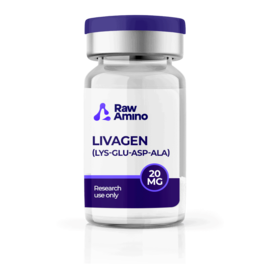
What Is Livagen?
Livagen peptide is one of the more intriguing compounds currently being explored across immune response peptide and peptide bioregulator research circles within the Khavinson family. It is a short bioregulatory peptide closely related to Epitalon, proposed to exert direct influence on DNA and gene expression patterns in laboratory models. Its anti-aging properties are thought to be attributed to its capacity to activate genes in the gastrointestinal tract and immune system that appear to become silenced due to DNA condensation in laboratory aging models.
The organization of DNA in eukaryotic organisms involves a hierarchical and progressively condensed arrangement in laboratory research contexts. DNA packaging is achieved through its association with histone proteins, forming chromatin structures that further condense into chromosomes in laboratory models. Livagen’s proposed capacity to influence this chromatin organization has made it a particularly active subject of laboratory research across immune biology, cardiac research, and cellular aging science in controlled experimental environments.
Chromatin Biology: The Core Mechanism
At the foundation of this peptide bioregulator’s research profile is its proposed ability to influence chromatin structure and gene expression in laboratory models. Research by Khavinson et al. suggested that Livagen may activate several genes in lymphocytes by inducing chromatin decondensation in laboratory settings, potentially causing the reawakening of genes typically silenced in mature and aged laboratory models. These include ribosomal genes responsible for enhanced protein production and increased cell activity in these experimental settings.
Research by Lezhava et al. involving a clinical research study further suggested that peptide bioregulators including Livagen, Epitalon, and Vilon may cause activation of chromatin in lymphocytes of aged laboratory models, with researchers noting that these findings indicate that such peptide bioregulators may induce reactivation of chromatin in laboratory settings. Researchers have proposed that by potentially inducing chromatin decondensation in laboratory models, Livagen may impart a more active genetic profile to cells, making chromatin biology one of the most foundational areas of this peptide bioregulator’s laboratory research profile.
Livagen Peptide and Immune Response Research
Building on its proposed chromatin mechanism, Livagen has also been studied for its potential interactions with immune cell biology in laboratory models. Research suggested that lymphocytes encompass B cells and T cells, both considered integral components of the immune system in laboratory research contexts, with B cells producing antibodies and T cells potentially targeting infected cells and releasing cytokines that coordinate immune responses in laboratory settings.
Researchers proposed that lymphocytes play a crucial role in immune defense in laboratory models, with their declining activity over time speculated to contribute to increased vulnerability in aged laboratory settings. By potentially inducing chromatin decondensation in lymphocytes in laboratory models, Livagen may reactivate silenced genes and support a more robust immune response profile in these experimental settings, making immune response peptide research an active and well-documented area of this compound’s laboratory investigation.
Cardioprotective Research
Beyond its chromatin and immune research profile, Livagen has also been studied for its potential cardioprotective interactions in laboratory models. Research by Dzhokhadze et al. and Lezhava et al. suggested that Livagen peptide, as a peptide bioregulator, may help moderate chromatin dysregulation in laboratory models, potentially exerting cardioprotective interactions in these settings. Chromatin dysregulation is proposed to negatively impact cardiac biology in laboratory research contexts, making its potential moderation an area of growing research interest.
Research exploring the combined introduction of Livagen and cobalt ions in laboratory models suggested this combination appeared effective in potentially inducing chromatin decondensation in these settings. Researchers noted that these findings provide information about the proposed protective interactions of Livagen in lymphocytes of cardiac laboratory models. Researchers further proposed that decondensation of chromatin in lymphocytes, facilitated by the release of certain genes in laboratory models, may help moderate long-term complications associated with various cardiac research models through potential modulation of lymphocyte gene expression and inflammatory processes in these settings.
Livagen Peptide and Pain Mechanism Research
One of the more specialized areas of Livagen peptide research involves its proposed interactions with enkephalin-degrading enzymes in laboratory models. Enkephalins are naturally occurring proteins that appear to engage with both mu and delta opioid receptors in laboratory research contexts, with activation of these receptors proposed to influence pain perception and related physiological processes in these settings.
Research on peptide bioregulators suggested that Livagen may exert inhibitory interactions on enkephalin-degrading enzymes present in laboratory blood models, possibly resulting in elevated levels of endogenous pain-related substances in these experimental settings. Researchers have been careful to frame all pain mechanism observations as preliminary laboratory findings requiring further controlled investigation before any broader conclusions can be drawn.
Livagen Peptide and Gastrointestinal Research
Closely related to its pain mechanism research profile, Livagen has also been explored for its proposed interactions with gastrointestinal biology in laboratory models. Research suggested that both mu and delta opioid receptors may play a role in safeguarding the mucosal barrier of the gastrointestinal tract upon activation in laboratory settings. Livagen appeared to potentially enhance vagal nerve signaling to the gastrointestinal tract and modulate mucosal nitric oxide and prostaglandins in laboratory models, with researchers proposing these mechanisms may collectively contribute to gastroprotective interactions in these experimental settings. Livagen’s speculated capacity to elevate enkephalin levels in laboratory blood models was proposed to potentially support activation of these receptors, adding a gastrointestinal dimension to this immune response peptide’s broad laboratory research profile.
Livagen Peptide and Cellular Aging Research
Rounding out this peptide bioregulator’s broad laboratory research profile, Livagen has also been explored for its proposed interactions with cellular aging processes in laboratory models. Research by Professor Teimuraz Lezhava documented a possible correlation between age and an increase in chromosomal aberrations in laboratory aging models, involving progressive condensation of chromatin leading to DNA inactivation and reduced cellular repair processes in these settings.
Researchers have proposed that reversing the process of chromatin condensation might potentially decelerate aspects of the aging process in laboratory models, given that gene silencing appears to accelerate aging-related observations in these settings. Research by Lezhava and Khavinson indicated that certain peptide bioregulators including Livagen, Epitalon, and select others may exhibit potential to influence this process through decondensing DNA in laboratory models, positioning cellular aging as one of the most actively investigated areas of this Livagen peptide’s laboratory research profile.
References
- National Human Genome Research Institute. Chromatin. 2024.
- Khavinson VKh, et al. Effects of Livagen peptide on chromatin activation in lymphocytes from old people. Bull Exp Biol Med. 2002;134(4):389–92.
- National Human Genome Research Institute. Lymphocyte. 2024.
- Lezhava T, et al. Anti-aging peptide bioregulators induce reactivation of chromatin. Georgian Med News. 2006;(133):111–5.
- Dzhokhadze T, et al. Functional regulation of genome with peptide bioregulators by hypertrophic cardiomyopathy. 2013.
- Lezhava T, et al. Activation of pericentromeric and telomeric heterochromatin in cultured lymphocytes from old individuals. 2007.
- Effect of peptide bioregulator and cobalt ions on the activity of NORs in lymphocytes of patients with hypertrophic cardiomyopathy. Georgian Med News. 2014;(234):134–7.
- Gyires K, Rónai AZ. Supraspinal delta- and mu-opioid receptors mediate gastric mucosal protection in the rat. J Pharmacol Exp Ther. 2001;297(3):1010–5.
- Lezhava TA. Human chromosome functional characteristics and aging. Adv Gerontol. 2001;8:34–43.
- Khavinson VKh, et al. Peptide Epitalon activates chromatin at the old age. Neuro Endocrinol Lett. 2003;24(5):329–33.
Disclaimer: The information provided is intended solely for educational and scientific discussion. The compounds described are strictly intended for laboratory research and in-vitro studies only. They are not approved for human or animal consumption, medical use, or diagnostic purposes. Handling is prohibited unless performed by licensed researchers and qualified professionals in controlled laboratory environments.