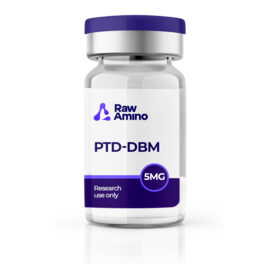
What Is PTD-DBM?
PTD-DBM peptide is one of the more mechanistically distinctive compounds currently being explored in hair growth peptide and wound healing peptide research circles. It is a fusion protein combining the transduction properties of the Protein Transduction Domain (PTD) with the functional domain of the Dishevelled Binding Motif (DBM), creating a compound with a proposed ability to penetrate cell membranes and interact directly with intracellular signaling components in laboratory models.
The development of PTD-DBM peptide emerged from research by Professor Kang-Yell Choi and his team at Yonsei University in South Korea, who investigated the role of CXXC-type zinc finger protein 5 (CXXC5) as a negative regulator of the Wnt/β-catenin signaling pathway in laboratory settings. Researchers observed that CXXC5 appeared to exert a suppressive effect on hair growth and wound healing by interfering with the Wnt/β-catenin pathway in laboratory models, specifically through its interaction with the Dvl protein. By developing PTD-DBM to disrupt this CXXC5-Dvl interaction, researchers proposed they may have created a compound capable of reactivating the Wnt/β-catenin pathway and potentially restoring hair follicle formation and wound repair processes in these experimental settings.
The Proposed Mechanism: Wnt/β-Catenin Pathway Activation
To understand what makes this hair growth peptide research subject distinctive, it helps to appreciate the molecular pathway it is proposed to target in laboratory models. The Wnt/β-catenin pathway is considered crucial for hair follicle formation, maintenance, and cycling in laboratory research contexts. CXXC5 is believed to be upregulated in miniaturized hair follicles during alopecia in laboratory models, with researchers proposing its inhibitory interactions on alkaline phosphatase activity and cell proliferation in hair follicle dermal papilla cells in these settings.
Research suggested that upon introduction in laboratory models, PTD-DBM peptide may penetrate the cell membrane and potentially translocate into the cytoplasm. Once inside, it may selectively bind to Dishevelled, potentially preventing its degradation and enhancing its stability in laboratory settings. This interaction appeared to cause the activation of downstream Wnt signaling cascades in these models, including the canonical Wnt/β-catenin pathway, potentially leading to the stabilization of β-catenin and subsequent activation of downstream signaling in laboratory experimental settings. Researchers have described PTD-DBM as a peptide that interferes with the CXXC5-Dvl interaction via binding to the PDZ domain of Dvl in these laboratory models.
PTD-DBM Peptide and Hair Follicle Formation Research
At the core of PTD-DBM hair growth peptide research is its proposed interactions with hair follicle development and cycling in laboratory models. Research by Ryu et al. explored the role of PTD-DBM in hair follicle formation using a mouse model, with findings suggesting that the peptide may significantly increase hair follicle density, size, and thickness compared to control groups in these laboratory settings.
Histological analyses suggested that PTD-DBM introduction may potentially yield a prolonged anagen phase and increased proliferation of hair follicle progenitor cells in laboratory models. Researchers noted that CXXC5-deficient laboratory mice revealed accelerated hair regrowth compared to control mice in these experimental settings, with the additional combination of valproic acid, a glycogen synthase kinase 3β inhibitor proposed to activate the Wnt/β-catenin pathway, appearing to further support hair regrowth observations in laboratory models. Research by Lee et al. further suggested that PTD-DBM appears to stimulate wound-induced hair follicle neogenesis and hair regrowth in laboratory settings, making hair follicle formation one of the most actively documented areas of this peptide’s laboratory research profile.
PTD-DBM Peptide and Wound Repair Research
Rounding out this wound healing peptide’s research profile, PTD-DBM has also been studied for its potential interactions with cutaneous wound repair processes in laboratory models. Research by Lee et al. investigated the role of CXXC5 as a negative feedback regulator of the Wnt/β-catenin pathway in epidermal keratinocytes and dermal fibroblasts during acute wound healing in laboratory settings. Results indicated that CXXC5 may potentially interact with Dvl protein, resulting in negative regulation of the Wnt/β-catenin pathway in these laboratory models.
In vitro experiments suggested that CXXC5 may play a role in myofibroblast differentiation and collagen production in laboratory cell models, with researchers observing differential regulation of β-catenin, alpha-smooth muscle actin, and collagen I in these settings. CXXC5-deficient laboratory mice also appeared to exhibit accelerated cutaneous wound healing, elevated keratin 14 expression, and enhanced collagen synthesis in these experimental models.
By disrupting the CXXC5-Dvl interaction in laboratory models, PTD-DBM appeared to activate the Wnt/β-catenin pathway, potentially leading to increased β-catenin and collagen production in vitro. Research further suggested that combined introduction of PTD-DBM and valproic acid may synergistically accelerate the wound healing process in laboratory mouse models, with researchers noting these findings as a compelling area for further controlled investigation in wound repair peptide science.
References
- Lee SH, et al. Targeting of CXXC5 by a Competing Peptide Stimulates Hair Regrowth and Wound-Induced Hair Neogenesis. J Invest Dermatol. 2017;137(11):2260–2269.
- Lee SH, et al. The Dishevelled-binding protein CXXC5 negatively regulates cutaneous wound healing. J Exp Med. 2015;212(7):1061–80.
- Kim HY, et al. Small molecule inhibitors of the Dishevelled-CXXC5 interaction are new drug candidates for bone anabolic osteoporosis therapy. EMBO Mol Med. 2016;8:375–387.
- Ryu YC, et al. KY19382, a novel activator of Wnt/β-catenin signalling, promotes hair regrowth and hair follicle neogenesis. Br J Pharmacol. 2021;178(12):2533–2546.
- Lee SH, et al. The Dishevelled-binding protein CXXC5 negatively regulates cutaneous wound healing. J Exp Med. 2015;212(7):1061–80.
Disclaimer: The information provided is intended solely for educational and scientific discussion. The compounds described are strictly intended for laboratory research and in-vitro studies only. They are not approved for human or animal consumption, medical use, or diagnostic purposes. Handling is prohibited unless performed by licensed researchers and qualified professionals in controlled laboratory environments.