Introduction
Age-associated changes in somatotropic signaling are tightly interwoven with shifts in body composition, skeletal integrity, cardiovascular function, and cellular stress responses. Experimental peptide regulators of growth hormone (GH) remain central tools for probing these processes because they interface with different nodes of the GH axis. Sermorelin and Tesamorelin interact with the growth hormone–releasing hormone (GHRH) receptor, whereas Ipamorelin engages the ghrelin/growth hormone secretagogue receptor (GHSR). Despite converging on GH/IGF-1 biology, these ligands show distinct temporal profiles, receptor selectivity, and downstream transcriptional consequences that can be leveraged to dissect mechanisms of metabolic remodeling and tissue repair in research settings.
The current literature suggests that modest differences in primary sequence and receptor bias can yield divergent outcomes across endocrine pulses, adipose biology, myocyte protein turnover, and bone remodeling. Furthermore, combinatorial paradigms—particularly pairing a GHRH analog with a GHSR agonist—may amplify or rebalance hormonal dynamics while preserving physiological pulsatility. Below, we synthesize mechanistic and preclinical findings, reorganized thematically, to clarify how Sermorelin, Ipamorelin, and Tesamorelin are being utilized to interrogate GH-mediated pathways. All discussion is framed for laboratory investigation; no implications of clinical use are intended or inferred.
Receptor Topology and Endocrine Dynamics: Distinct Pathways to GH Pulsatility
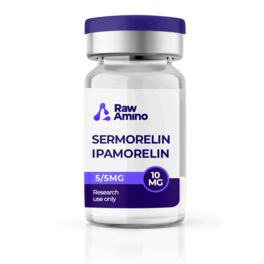
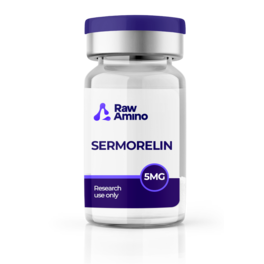
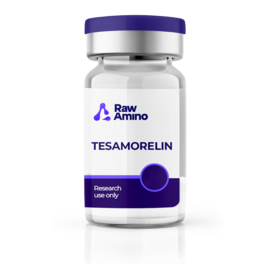
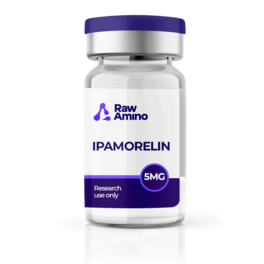
Although all three agents ultimately modulate circulating GH, their receptor pharmacology diverges. Sermorelin, a truncated GHRH analog, primarily extends the duration of endogenous GH bursts and elevates trough concentrations without driving supraphysiologic peaks. Tesamorelin, a stabilized GHRH analog, similarly favors physiologically aligned pulsatility and appears to broaden peak width with comparatively limited impact on peak height. Ipamorelin, by contrast, binds GHSR with notable selectivity, producing rapid-onset, short-lived GH surges that are highly dose- and timing-responsive. Because GHSR signaling is permissive to co-stimulation, Ipamorelin may act additively with GHRH-pathway ligands—an experimental feature that allows investigators to combine prolonged peak architecture (GHRH analogs) with acute spike amplitude (GHSR agonists). In aggregate, these differing temporal signatures enable controlled probing of downstream IGF-1 kinetics, hepatic nitrogen balance, and target-tissue transcription while maintaining GH’s native pulsatile organization, a factor thought to mitigate receptor desensitization and off-target effects in model systems.
Skeletal Muscle Adaptation and Post-Exertional Repair in Model Systems
GH/IGF-1 signaling interfaces with myofibrillar protein synthesis, satellite cell activity, and intramuscular lipid handling. In experimental paradigms, Sermorelin’s extended-peak profile is often used to explore incremental adaptations—e.g., support of post-exertional recovery, modest lean mass accretion, and reduced intramuscular adiposity—over longer observation windows. Ipamorelin’s brief, high-amplitude pulses are well-suited to time-locked paradigms (e.g., aligned with exercise stimuli) to interrogate acute protein synthesis and nutrient partitioning, while also allowing assessment of orexigenic signaling via hypothalamic circuits that can impact net energy intake. Tesamorelin has been associated in the literature with reductions in muscle fat and increases in cross-sectional area in specific research cohorts, suggesting augmented muscle quality; however, most published data emphasize adipose remodeling rather than direct hypertrophic endpoints. Conceptually, combining Tesamorelin (broader peaks) with Ipamorelin (sharp pulses) may offer a platform to test whether synchronized endocrine inputs amplify repair programs without sacrificing physiologic rhythm—an open question warranting controlled head-to-head studies.
Adipose Tissue Remodeling and Energy Balance: Divergent Emphases Across Ligands
Adipose tissue acts as both an energy reservoir and an endocrine organ; adipocyte size, lipid flux, and cytokine milieu influence systemic metabolism. Sermorelin and Ipamorelin generally exhibit moderate effects on fat mass in preclinical settings, contingent on diet, activity, and observation length. Ipamorelin’s ghrelin-like properties may increase appetite in some paradigms, necessitating careful control of intake when quantifying net adiposity shifts. Tesamorelin stands out experimentally for robust effects on visceral adipose tissue (VAT) and triglyceride profiles in reported studies, making it a frequent tool for investigating depot-specific lipolysis, adipokine signaling, and ectopic fat dynamics. From a systems perspective, a Tesamorelin–Ipamorelin combination could be hypothesized to decouple orexigenic drive from VAT reduction (i.e., Tesamorelin’s VAT specificity counterbalancing potential intake effects of Ipamorelin), thereby isolating how lean mass accrual and depot-selective lipolysis interact. Such hypotheses remain to be tested directly in controlled laboratory designs.
Skeletal Integrity and Bone Remodeling: Modeling Formation–Resorption Balance
GH and IGF-1 govern osteoblast differentiation, matrix deposition, and coupling to osteoclast activity. Across animal models, Ipamorelin has shown outsized effects relative to several comparators on bone mineral content and indices of formation, including contexts of glucocorticoid exposure. These findings make GHSR agonism a useful axis for interrogating osteoanabolic pathways and marrow niche dynamics. Sermorelin, while supportive of bone homeostasis, tends to yield more modest changes, aligning with its subtler GH amplitude effects. Tesamorelin’s contributions appear secondary to its primary VAT biology; nevertheless, by modulating overall GH signaling it may support osteogenesis under particular experimental constraints. Combining a GHRH analog with Ipamorelin offers a way to parse whether layered pulsatility enhances mineral accrual, collagen cross-linking, and microarchitectural integrity beyond either input alone.
Cardiac Structure–Function Questions: Remodeling, Fibrosis, and Autonomic Tone
Somatotropic, ghrelinergic, and metabolic pathways intersect in myocardial stress responses. Preclinical reports implicate GHRH-receptor modulation in attenuating post-injury remodeling, reducing scar burden, and altering phosphorylation states of myofilament proteins—mechanisms that could translate to improved chamber compliance and contractile efficiency in model systems. Ghrelin-pathway agonism has been associated experimentally with antiarrhythmic trends, tempered fibrosis, and hypertrophy modulation, possibly through autonomic balancing, anti-apoptotic signaling, and anti-inflammatory effects within the myocardium. Tesamorelin’s marked impact on VAT and triglycerides offers an orthogonal route to probe cardiometabolic coupling between ectopic fat, lipid profiles, and myocardial energetics. Determining whether Sermorelin’s GHRH bias or a Tesamorelin–Ipamorelin stack confers stronger cardioprotective signatures requires systematic, side-by-side studies controlling for hemodynamic load, diet, and activity.
Cellular Aging Frameworks: Oxidative Stress, Sleep Architecture, and Immunometabolic Signaling
GH-axis interventions intersect with multiple hallmarks of biological aging. In rodent work, GHRH-pathway manipulation has been tied to shifts in oxidative stress markers, telomerase activity, and longevity metrics, while also influencing immune tone. Sleep architecture—a process intimately linked to endocrine rhythms—may respond to growth hormone secretagogues via orexinergic and hypothalamic circuits, with reports of altered slow-wave dynamics in model systems. Ipamorelin’s GHSR engagement provides a route to evaluate sleep–metabolic cross-talk, neuropeptide Y/AgRP expression, and downstream effects on cognition and mood in controlled settings. Tesamorelin’s VAT selectivity enables interrogation of how improvements in adipose “quality” and lipid trafficking feed back onto inflammatory networks that contribute to age-related decline. Collectively, these ligands form a complementary toolkit to dissect how endocrine pulsatility influences cellular stress responses and neurobehavioral outcomes in aging models.
Synthesis and Outlook
Taken together, the three peptides offer distinct yet overlapping experimental levers: Sermorelin and Tesamorelin preserve physiologic GH rhythm with extended peaks via GHRH receptors, whereas Ipamorelin yields highly controllable, short-duration spikes through GHSR with exceptional receptor selectivity. For investigators, Sermorelin often aligns with studies aiming to approximate homeostatic restoration and gradual remodeling; Tesamorelin is favored when VAT-targeted questions and lipid phenotyping are central; and Ipamorelin excels where timing, amplitude, and receptor specificity are critical (e.g., bone anabolism, time-locked muscle synthesis, or sleep–metabolic coupling). Combinatorial designs may prove especially informative, allowing mechanistic separation of amplitude vs. duration in GH signaling and revealing emergent properties across muscle, adipose, bone, and heart. Rigorous, head-to-head, preclinical experiments—standardizing diet, activity, and circadian timing—are needed to resolve comparative advantages and map receptor-biased signaling to tissue-level outcomes.
References
- R. A. Dulce et al., “Synthetic growth hormone-releasing hormone agonist ameliorates the myocardial pathophysiology characteristic of heart failure with preserved ejection fraction,” Cardiovascular Research, vol. 118, no. 18, pp. 3586–3601, Feb. 2023, doi: 10.1093/cvr/cvac098.
- T. Tokudome and K. Kangawa, “Physiological significance of ghrelin in the cardiovascular system,” Proceedings of the Japan Academy, Series B, Physical and Biological Sciences, vol. 95, no. 8, pp. 459–467, 2019, doi: 10.2183/pjab.95.032.
- J. Svensson et al., “The GH secretagogues ipamorelin and GH-releasing peptide-6 increase bone mineral content in adult female rats,” Journal of Endocrinology, vol. 165, pp. 569–77, Jul. 2000.
- B. S. Shepherd et al., “Endocrine and orexigenic actions of growth hormone secretagogues in rainbow trout (Oncorhynchus mykiss),” Comparative Biochemistry and Physiology A: Molecular & Integrative Physiology, vol. 146, no. 3, Mar. 2007, doi: 10.1016/j.cbpa.2006.11.004.
- T. L. Stanley et al., “Reduction in Visceral Adiposity Is Associated With an Improved Metabolic Profile in HIV-Infected Patients Receiving Tesamorelin,” Clinical Infectious Diseases, vol. 54, no. 11, pp. 1642–1651, Jun. 2012, doi: 10.1093/cid/cis251.
- L. L. Bagno et al., “Growth hormone-releasing hormone agonists reduce myocardial infarct scar in swine with subacute ischemic cardiomyopathy,” Journal of the American Heart Association, vol. 4, no. 4, p. e001464, Mar. 2015, doi: 10.1161/JAHA.114.001464.
- S. Adrian et al., “The Growth Hormone Releasing Hormone Analogue, Tesamorelin, Decreases Muscle Fat and Increases Muscle Area in Adults with HIV,” Journal of Frailty & Aging, vol. 8, no. 3, pp. 154–159, 2019, doi: 10.14283/jfa.2018.45.
- S. Gupta and A. Mitra, “Heal the heart through gut (hormone) ghrelin: a potential player to combat heart failure,” Heart Failure Reviews, Oct. 2020, doi: 10.1007/s10741-020-10032-2.
- R. M. Kanashiro-Takeuchi et al., “New therapeutic approach to heart failure due to myocardial infarction based on targeting growth hormone-releasing hormone receptor,” Oncotarget, vol. 6, no. 12, 2015, doi: 10.18632/oncotarget.3303.
- S. D. Friedman et al., “Growth hormone-releasing hormone effects on brain γ-aminobutyric acid levels in mild cognitive impairment and healthy aging,” JAMA Neurology, vol. 70, no. 7, pp. 883–890, Jul. 2013, doi: 10.1001/jamaneurol.2013.1425.
- T. Tokudome, K. Otani, M. Miyazato, and K. Kangawa, “Ghrelin and the heart,” Peptides, vol. 111, pp. 42–46, Jan. 2019, doi: 10.1016/j.peptides.2018.05.006.
- E. Adeghate and A. S. Ponery, “Mechanism of ipamorelin-evoked insulin release from the pancreas of normal and diabetic rats,” Neuro Endocrinology Letters, vol. 25, no. 6, pp. 403–406, Dec. 2004.
- R. F. Walker, “Sermorelin: a better approach to management of adult-onset growth hormone insufficiency?,” Clinical Interventions in Aging, vol. 1, no. 4, 2006, doi: 10.2147/ciia.2006.1.4.307.
- J. Falutz et al., “Metabolic effects of a growth hormone-releasing factor in patients with HIV,” The New England Journal of Medicine, vol. 357, no. 23, Dec. 2007, doi: 10.1056/NEJMoa072375.
- I. Kishimoto, T. Tokudome, H. Hosoda, M. Miyazato, and K. Kangawa, “Ghrelin and cardiovascular diseases,” Journal of Cardiology, vol. 59, no. 1, pp. 8–13, Jan. 2012, doi: 10.1016/j.jjcc.2011.11.002.
- M. Goto et al., “Ghrelin increases neuropeptide Y and agouti-related peptide gene expression in the arcuate nucleus in rat hypothalamic organotypic cultures,” Endocrinology, vol. 147, no. 11, Nov. 2006, doi: 10.1210/en.2006-0104.
- W. A. Banks et al., “Effects of a growth hormone-releasing hormone antagonist on telomerase activity, oxidative stress, longevity, and aging in mice,” Proceedings of the National Academy of Sciences of the USA, vol. 107, no. 51, Dec. 2010, doi: 10.1073/pnas.1016369107.
- M. Kluge et al., “Ghrelin increases slow wave sleep and stage 2 sleep and decreases stage 1 sleep and REM sleep in elderly men but does not affect sleep in elderly women,” Psychoneuroendocrinology, vol. 35, no. 2, pp. 297–304, Feb. 2010, doi: 10.1016/j.psyneuen.2009.07.007.
- N. K. Aagaard et al., “Growth hormone and growth hormone secretagogue effects on nitrogen balance and urea synthesis in steroid treated rats,” Growth Hormone & IGF Research, vol. 19, no. 5, Oct. 2009, https://doi.org/10.1016/j.ghir.2009.01.001.
Disclaimer: The information provided is intended solely for educational and scientific discussion. The compounds described are strictly intended for laboratory research and in-vitro studies only. They are not approved for human or animal consumption, medical use, or diagnostic purposes. Handling is prohibited unless performed by licensed researchers and qualified professionals in controlled laboratory environments.