Introduction
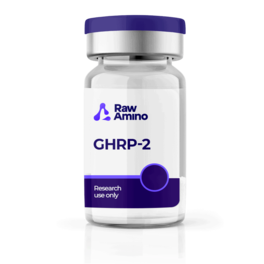
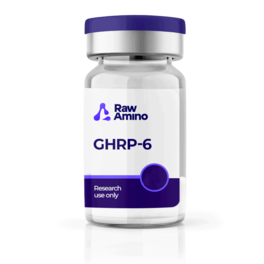
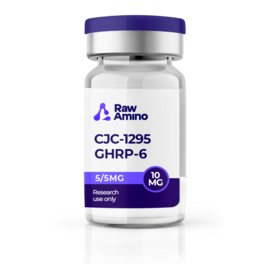
Growth hormone secretagogue receptor (GHSR) agonists are widely used in laboratory models to probe the physiology of the somatotropic axis and its crosstalk with neural circuits that regulate energy balance, stress responses, and cognition. Two frequently studied small peptides are GHRP-2 and GHRP-6. Both engage GHSR1a, yet they differ in ancillary receptor interactions, downstream signaling bias, and reported extra-pituitary effects. These distinctions can produce divergent phenotypes across neural, immune, and metabolic readouts despite their shared capacity to elevate growth hormone (GH) in experimental systems.
Conventional summaries often emphasize similarities (e.g., GH release, orexigenic signaling). However, mechanistic comparisons reveal important nuances: GHRP-6 has been associated with hippocampal and amygdalar plasticity, whereas GHRP-2 shows supraspinal antinociception with opioid-receptor involvement in animal models. Additional reports describe effects on thymic biology, mood-related behaviors, and stress processing. A careful, mechanistic reframing helps interpret preclinical findings without conflating class effects with ligand-specific properties.
Receptor Pharmacology and Axis Topology
GHRP-2 and GHRP-6 act as agonists at GHSR1a, a class-A GPCR enriched in hypothalamic nuclei (e.g., arcuate nucleus), hippocampus, amygdala, ventral tegmental area, and substantia nigra in rodent brains. Canonical coupling involves Gq/11 → PLCβ activation, IP₃-dependent Ca²⁺ mobilization, and PKC/MAPK cascades; context-dependent Gs/Gi signaling has also been documented. At the pituitary, GHSR activation converges with GHRH pathways to potentiate GH release, indirectly influencing IGF-1 signaling and tissue remodeling programs in vivo. Beyond endocrine effects, GHSR expression in limbic and midbrain structures positions these ligands to modulate synaptic plasticity, motivation, nociception, and learning through cell-type-specific second-messenger routing and transcriptional programs.
Synaptic Plasticity and Memory Encoding (GHRP-6–Forward Evidence)
Multiple lines of work indicate that stimulating ghrelin pathways can sculpt memory circuits. In rodent models, manipulations of ghrelin/GHSR signaling alter fear extinction, long-term depression, and spatial learning—processes tightly linked to amygdalar and hippocampal plasticity. Studies implicate GHSR-dependent modulation of glutamatergic transmission, with downstream impacts on synaptic tagging and structural remodeling of dendritic spines. Within this literature, GHRP-6 appears repeatedly as a tool compound: reports describe facilitated consolidation of newly formed memories and improved performance on spatial navigation tasks relative to controls, consistent with enhanced plasticity in lateral amygdala and hippocampus. Antagonism or genetic interference with GHSR impairs these gains, supporting a receptor-dependent mechanism. Together, these observations suggest GHRP-6 can bias neural networks toward efficient encoding and retrieval in experimental settings. [1–3]
Supraspinal Antinociception and Opioid Crosstalk (GHRP-2–Centered)
While both ligands engage GHSR, GHRP-2 shows an additional pharmacological facet in rodent assays: supraspinal antinociception that is attenuated by opioid-receptor blockade. Work in mice indicates that GHRP-2 produces antinociceptive effects via opioid-receptor–mediated pathways at higher-order sites, implying functional crosstalk between ghrelinergic and opioidergic signaling. This dual engagement may reflect convergent modulation of descending pain circuits and G-protein bias that recruits β-arrestin–independent pathways. Such data highlight that ligand-specific profiles at off-target or accessory receptors can shape behavioral phenotypes even when primary targets are shared. [4]
Thymic Biology and Immune Fitness in Aging Models
Ghrelin-axis stimulation has been linked to features of thymic maintenance in aged rodents, including increases in thymic cellularity and repertoire diversity. Mechanistically, GHSR signaling may influence thymic epithelial cell support, IL-7 milieu, and apoptosis thresholds in developing T cells, thereby partially countering age-related involution. GHRP-class agonists—including those that increase GH/IGF-1—have been used to interrogate these pathways, with reports of improved T-cell output and broader immune competence in preclinical contexts. Such findings position GHRP-2, which robustly engages somatotropic and ghrelinergic signaling, as a useful probe of thymic rejuvenation cascades in experimental gerontology. [6]
Affective State, Motivation, and Goal-Directed Behavior
Reward and stress circuits express GHSR, enabling ligand-dependent modulation of mesolimbic dopamine tone and hypothalamic–pituitary–adrenal (HPA) setpoints. In male rat models, central GHSR stimulation using site-directed delivery alters sex-motivation metrics in a region-dependent manner, consistent with circuit-specific receptor functions. More broadly, ghrelin-pathway activation has been associated with stress resilience and shifts in exploratory behavior across paradigms, with GHRP-6 frequently studied for enhancements in motivated performance and reduced depressive-like readouts. These effects likely integrate neuromodulatory control of synaptic plasticity with metabolic state signaling. [7, 2]
Sleep Architecture and GHSR Agonism (Class Context)
Adjustments to sleep architecture have been reported for certain GHSR agonists in controlled experiments, including prolonged slow-wave and rapid-eye-movement epochs. Although those canonical data derive from a different ligand within the same receptor class, they underline how ghrelin-axis activation can influence thalamocortical rhythms and memory consolidation windows. When comparing GHRP-2 and GHRP-6, it is therefore useful to interpret any sleep-related findings through the lens of shared receptor pharmacology versus ligand-specific evidence, to avoid over-attribution. [5]
Comparative Summary of Mechanistic Tendencies
In aggregate, both peptides potentiate GH release via pituitary GHSR and share orexigenic signaling in hypothalamic circuits. GHRP-6 shows a stronger footprint in studies of memory formation and spatial learning, aligning with rich GHSR expression in hippocampus/amygdala and observed shifts in synaptic plasticity readouts. GHRP-2, meanwhile, demonstrates supraspinal antinociception with opioid-receptor dependence and is frequently deployed in thymic/immune aging experiments. These patterns likely reflect subtle differences in receptor engagement kinetics, network distribution, and ancillary receptor interactions, which together drive distinct phenotypic emphases across preclinical domains.
Conclusion
GHRP-2 and GHRP-6 are closely related GHSR agonists that nevertheless display distinguishable profiles across neural, endocrine, and immune assays. The evidence base suggests GHRP-6 preferentially highlights cognition-related plasticity, while GHRP-2 emphasizes antinociception and immune-thymic effects in models—both atop a common foundation of somatotropic activation. Future laboratory work that maps cell-type–specific signaling bias, receptor crosstalk, and circuit localization will be key to resolving how these ligands differentially tune complex neuroendocrine systems.
References
- G. Copinschi et al. Prolonged oral treatment with MK-677, a novel growth hormone secretagogue, improves sleep quality in man. Neuroendocrinology 66(4), 278–286 (1997).
- S. Beheshti, S. Shahrokhi. Blocking the ghrelin receptor type 1a in the rat brain impairs memory encoding. Neuropeptides 52, 97–102 (2015).
- D. D. Taub, W. J. Murphy, D. L. Longo. Rejuvenation of the aging thymus: growth hormone-mediated and ghrelin-mediated signaling pathways. Curr. Opin. Pharmacol. 10(4), 408–424 (2010).
- K. Tóth, K. László, L. Lénárd. Role of intraamygdaloid acylated-ghrelin in spatial learning. Brain Res. Bull. 81(1), 33–37 (2010).
- L. Hyland et al. Central ghrelin receptor stimulation modulates sex motivation in male rats in a site dependent manner. Horm. Behav. 97, 56–66 (2018).
- C.-C. Huang, D. Chou, C.-M. Yeh, K.-S. Hsu. Acute food deprivation enhances fear extinction but inhibits long-term depression in the lateral amygdala via ghrelin signaling. Neuropharmacology 101, 36–45 (2016).
- P. Zeng et al. Ghrelin receptor agonist, GHRP-2, produces antinociceptive effects at the supraspinal level via the opioid receptor in mice. Peptides 55, 103–109 (2014).
Disclaimer: The information provided is intended solely for educational and scientific discussion. The compounds described are strictly intended for laboratory research and in-vitro studies only. They are not approved for human or animal consumption, medical use, or diagnostic purposes. Handling is prohibited unless performed by licensed researchers and qualified professionals in controlled laboratory environments.