
What Is ARA-290?
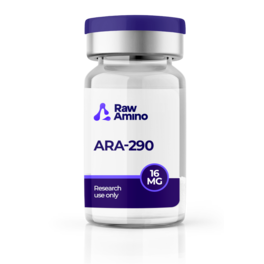
ARA-290 peptide is one of the more mechanistically distinctive compounds currently being explored in anti-inflammatory and tissue repair peptide research circles. It is a synthetic 11-amino acid peptide developed to mimic the structure and function of erythropoietin (EPO), a hormone considered to be a production regulator of red blood cells in laboratory research contexts. Crucially, however, ARA-290 is a non-erythropoietic peptide, meaning it does not appear to stimulate red blood cell production in laboratory models, instead being proposed to exhibit tissue-protective and anti-inflammatory potential through a distinct receptor pathway.
ARA-290 was developed to specifically bind to the EPO receptor on non-erythroid cells including neurons, endothelial cells, and immune cells in laboratory settings. Researchers Brines and Cerami proposed that by activating the Innate Repair Receptor pathway, ARA-290 may successfully substitute for a relative deficiency of EPO production in damaged tissues in laboratory models, potentially paving the way for expanded investigation into tissue repair mechanisms in these experimental settings. This proposed combination of anti-inflammatory and tissue repair interactions across multiple cell types has made ARA-290 a particularly active subject of laboratory research across a wide range of biological research disciplines.
ARA-290 Peptide and the Innate Repair Receptor Pathway
At the foundation of ARA-290 anti-inflammatory peptide research is its proposed interactions with the Innate Repair Receptor pathway in laboratory models. The IRR is a heterodimeric receptor consisting of the β-common receptor subunit and a subunit from the erythropoietin receptor. Research suggested that upon activation, the IRR may trigger several downstream signaling pathways including JAK/STAT, PI3K/Akt, and MAPK in laboratory models, which may promote tissue repair and reduce inflammation in these settings.
Researchers studying ARA-290 peptide proposed that it binds specifically to the IRR and may activate these downstream signaling events in laboratory models. By potentially activating the IRR pathway, ARA-290 may promote tissue repair and reduce inflammation in laboratory settings, potentially moderating pain caused by tissue injury in these experimental contexts. Researchers noted that several preclinical and clinical studies have suggested ARA-290 may reduce pain associated with nerve injury, allodynia, and inflammation in laboratory models, making the IRR pathway the central mechanistic foundation of this tissue repair peptide’s broad research profile.
ARA-290 Peptide and Wound Repair Research
One of the most actively documented areas of ARA-290 tissue repair peptide research involves its proposed interactions with wound healing processes in laboratory models. Research by Mashreghi et al. evaluated ARA-290 in diabetic rat laboratory models, with daily exposure over 14 days appearing to result in accelerated wound closure, decreased epithelialization time, increased collagen and protein content, improved biochemical parameters, increased antioxidant levels, decreased inflammatory cytokine levels, and reduced lipid peroxidation in these settings. Researchers proposed that ARA-290-mediated IRR activation may signal downstream interactions in wound repair in laboratory models, with the 20% ARA-290 concentration appearing to induce the most significant interactions on wound contraction, collagen, and protein content in these experimental settings.
ARA-290 Peptide and Cardiovascular Research
Building on its tissue repair research profile, ARA-290 has also been studied for its proposed interactions with cardiac biology in laboratory models. Research by Winicki et al. suggested that ARA-290 peptide may attenuate age-associated decline in cardiac function in laboratory models, while also potentially reducing systemic inflammation and preserving late-life body weight in aged rat laboratory models. Researchers proposed multiple potential modes of cardiac interaction in these settings, including improving systolic cardiac function, reducing cardiac tissue inflammation, enhancing resistance to oxidative stress, preserving protein quality control, and supporting mitochondrial function in cardiac myocytes in laboratory models.
ARA-290 Peptide and Retinal Research
ARA-290 has also been explored for its potential interactions with retinal biology in laboratory models. Research by O’Leary et al. suggested that ARA-290 peptide may exhibit the potential to protect endothelial blood vessels and moderate retinal ischemia in laboratory models. In experimental mouse models of retinal ischemia undergoing endothelial colony-forming cell transplantation in laboratory settings, ARA-290 appeared to reduce the inflammatory expression of interleukin cells in the retina, with researchers observing minimal inflammation and faster recovery following transplantation in these experimental settings.
ARA-290 Peptide and Immunomodulatory Research
One of the more nuanced areas of ARA-290 anti-inflammatory peptide research involves its proposed interactions with immune system regulation across several distinct laboratory model contexts. Research by Yan et al. suggested that ARA-290 may alter the presentation of antigens by dendritic cells in laboratory settings, potentially influencing adaptive immunity in these models. Researchers proposed this interaction may have potential relevance to transplantation research in laboratory contexts, with the peptide’s potential to moderate antigen presentation possibly preventing immune cells from rejecting transplanted tissues in these experimental settings.
Research by Nairz et al. in laboratory mouse models of colitis suggested that ARA-290 peptide appeared to exhibit apparent interactions including enhanced tissue quality and reduced disease progression in these settings, with researchers proposing the peptide may have bound with IRR receptor cells and yielded anti-inflammatory interactions in these models. Laboratory studies also explored ARA-290’s proposed interactions with SLE-related markers in laboratory models, with researchers suggesting the peptide may possibly suppress autoantibodies associated with SLE in these settings and potentially moderate some kidney damage observations in these laboratory models. All autoimmune-related findings are presented as preliminary laboratory observations requiring further controlled investigation.
ARA-290 Peptide and Sarcoidosis Research
Closely related to its immunomodulatory research profile, ARA-290 has also been studied in laboratory research models of sarcoidosis-associated small nerve fiber loss and damage. Research by Dahan et al. explored ARA-290 in an initial clinical study involving subjects with sarcoidosis, with researchers reporting approximately 50% improvement in all subjects following exposure in these laboratory settings. A follow-up study in subjects with mild sarcoidosis-associated small nerve fiber loss symptoms reported significant improvement following ARA-290 exposure in these laboratory research contexts. A subsequent study involving 38 subjects over 16 weeks suggested that the peptide exhibited a positive research profile in these laboratory settings, with improvement reported across all subjects studied. Researchers have carefully framed all sarcoidosis findings as preliminary research observations requiring further controlled investigation before broader conclusions can be drawn.
ARA-290 Peptide and Glucose and Lipid Metabolism Research
Rounding out this anti-inflammatory peptide’s broad laboratory research profile, ARA-290 has also been studied for its proposed interactions with glucose and lipid metabolism in diabetic laboratory models. Research by Mashreghi et al. suggested that ARA-290 peptide at 10% and 20% concentrations appeared to possibly reduce glucose levels in diabetic laboratory rats, alongside apparent increases in insulin levels in these models compared to diabetic control groups. Researchers further observed that ARA-290 exposure appeared to result in significant decreases in LDL, total cholesterol, and triglyceride levels, alongside increases in HDL levels in laboratory models compared to diabetic control groups in these experimental settings. All metabolic findings are presented as preliminary laboratory observations specific to these experimental conditions.
References
- Dahan A, et al. ARA 290 improves symptoms in patients with sarcoidosis-associated small nerve fiber loss and increases corneal nerve fiber density. Mol Med. 2013;19(1):334–345.
- Brines M, Cerami A. The receptor that tames the innate immune response. Mol Med. 2012;18(1):486–96.
- Mashreghi M, et al. An in vivo investigation on the wound-healing activity of ARA290 using a diabetic animal model. Europe PMC. 2023.
- Winicki NM, et al. A small erythropoietin-derived non-hematopoietic peptide reduces cardiac inflammation and attenuates age-associated declines in heart function. Front Cardiovasc Med. 2023;9:1096887.
- O’Leary OE, et al. The vasoreparative potential of endothelial colony-forming cells in the ischemic retina is enhanced by cibinetide. Exp Eye Res. 2019;182:144–155.
- Yan L, et al. EPO Derivative ARA290 Attenuates Early Renal Allograft Injury in Rats by Targeting NF-κB Pathway. Transplant Proc. 2018;50(5):1575–1582.
- Nairz M, et al. Cibinetide dampens innate immune cell functions, thus ameliorating the course of experimental colitis. Sci Rep. 2017;7:13012.
Disclaimer: The information provided is intended solely for educational and scientific discussion. The compounds described are strictly intended for laboratory research and in-vitro studies only. They are not approved for human or animal consumption, medical use, or diagnostic purposes. Handling is prohibited unless performed by licensed researchers and qualified professionals in controlled laboratory environments.