Introduction
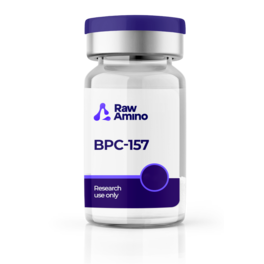
Pentadecapeptide BPC-157 is a 15–amino-acid fragment originally derived from a larger gastric protein complex. In experimental settings, this peptide has been investigated for its effects on vascular tone, cellular migration, extracellular matrix remodeling, and coordinated responses to tissue perturbation. Across preclinical investigations, BPC-157 has been evaluated in vitro and in animal models to interrogate how short peptides may interface with nitric-oxide signaling, growth-factor networks, and intracellular kinases that govern cell survival and motility.
Despite expanding datasets, important knowledge gaps remain regarding receptor-level engagement, upstream sensors, and spatiotemporal control of downstream pathways. Evidence to date indicates that BPC-157 may serve as a systems-level modulator—biasing cellular programs toward re-establishing local equilibrium after experimental injury—yet definitive primary targets and high-resolution pharmacology continue to be areas of active research.
Endothelial Modulation and Nitric Oxide Bioactivity
Multiple preclinical reports indicate that BPC-157 can influence endothelial function through mechanisms consistent with increased nitric oxide (NO) availability. In vascular preparations and animal models, this manifests as enhanced vasorelaxation and endothelial support, processes that are central to shear-stress responses and barrier integrity. NO-linked signaling is also known to intersect with cGMP pathways, antioxidant systems, and leukocyte–endothelium interactions, suggesting that BPC-157’s apparent effects on NO may secondarily alter inflammatory cell trafficking and redox balance in experimental tissues. Parallel observations of endothelial cell proliferation and migration in vitro further imply that BPC-157 engages angiogenic cues, potentially by modulating the expression of VEGF and associated kinases that coordinate actin dynamics and focal adhesions.
Hemostatic Set-Point: Platelet Behavior and Coagulation Balance
Within hemostasis, BPC-157 has been observed to exert bidirectional normalization in rodent models—limiting excessive platelet aggregation while mitigating hemorrhagic tendencies under defined conditions. Mechanistically, enhanced NO bioactivity can restrain platelet activation, while effects on focal adhesion kinase (FAK) and cytoskeletal scaffolding may recalibrate platelet–substrate interactions and endothelial thrombomodulatory tone. These findings support the hypothesis that BPC-157 functions as a context-dependent “set-point adjuster,” shifting coagulation dynamics toward equilibrium rather than unidirectional change, an interpretation consistent with systems that prioritize local homeostasis following injury.
Matrix Construction and Directed Cell Movement
Efficient tissue repair requires the rapid recruitment and orchestration of fibroblasts and endothelial cells. Ex vivo and in vitro work indicates that BPC-157 can accelerate fibroblast outgrowth from explants, favor cell survival under oxidative stress, and promote chemotactic migration. These cellular behaviors are tightly coupled to activation of FAK–paxillin complexes, reorganization of F-actin, and downstream ERK1/2 signaling—nodes that together drive lamellipodial extension, adhesion turnover, and matrix deposition. In parallel, increased expression of angiogenic mediators (e.g., VEGF-A) provides a conduit for coordinated vascular ingrowth toward injured regions, aligning perfusion with matrix synthesis in experimental wound models.
Enthesis and Tendon Biology: Growth-Factor Crosstalk
Tendon and ligament tissues exhibit limited perfusion and slow cellular turnover, making them useful platforms for probing pro-repair signaling. Rodent studies report that BPC-157 associates with elevated local levels of bFGF, EGF, and VEGF, factors that collectively influence tenocyte proliferation, collagen organization, and neovascular sprouting at the tendon–bone interface. Notably, cultured tendon fibroblasts exposed to BPC-157 demonstrate increased growth-hormone receptor (GHR) expression, implying that the peptide may sensitize connective tissues to endogenous somatotropic cues without necessarily altering systemic GH levels. This receptor-level priming offers a mechanistic rationale for synergistic matrix assembly and mechanical reinforcement observed in preclinical models.
Transcriptional and Kinase Pathways: From Signal to Gene Program
Beyond immediate adhesion and motility signals, BPC-157 has been linked to transcriptional regulators including EGR1 and its co-regulator NAB2, as well as JAK2/STAT signaling modules. EGR1/NAB2 complexes coordinate rapid early-gene responses to environmental stimuli, shaping cell-cycle entry, cytoskeletal remodeling, and growth-factor expression. JAK2/STAT pathways integrate cytokine and growth-factor signals into nucleus-directed programs that govern proliferation and differentiation. The convergence of these axes with FAK–paxillin and ERK1/2 supports a multi-node model in which BPC-157 biases cells toward survival, migration, and matrix production when studied under controlled stress conditions.
Angiogenic Contexts and Oncogenic Considerations
Because VEGF upregulation accompanies hypoxia and repair, questions often arise about angiogenesis in oncologic contexts. Available in vitro data indicate that BPC-157’s effects are context-dependent; for example, studies in melanoma cell lines have reported MAPK-pathway modulation with growth-inhibitory readouts, suggesting that the peptide does not act as a generalized angiogenic driver. More broadly, VEGF elevations in pathologic tissue are frequently secondary to hypoxic signaling rather than primary oncogenic initiation. Current evidence therefore supports a homeostasis-oriented framework in which BPC-157’s angiogenic signatures appear localized to experimental injury milieus rather than uniformly pro-angiogenic across tissues.
Formulation Chemistry and Counterion Effects
Investigators have described BPC-157 as acetate or arginate salts, which differ in physicochemical stability and acid resistance. Patent and bench data suggest that the arginate form exhibits enhanced robustness in simulated gastric conditions, with slower degradation kinetics than the acetate counterpart. These counterion-dependent properties can influence experimental design by altering peptide persistence during in vitro incubations or oral-delivery model systems, potentially enabling lower nominal quantities to achieve comparable exposure profiles in laboratory studies.
Systems Integration: Vascular Recruitment and Immune Coupling
A recurring theme across preclinical reports is coordinated vascular recruitment—sometimes termed “vascular running”—paired with dampening of excessive inflammatory mediators and oxidative stress. By simultaneously supporting endothelial function, steering fibroblast and endothelial motility, and modulating cytokine/kinase signaling, BPC-157 appears to produce a composite systems response that favors re-establishment of local equilibrium following experimentally induced perturbations. This systems-level view situates the peptide not as a single-pathway effector but as a modulator interfacing with multiple checkpoints that collectively determine repair trajectories in laboratory models.
Conclusion
Across in vitro assays and animal models, BPC-157 has been observed to influence endothelial NO signaling, hemostatic balance, cell migration, matrix assembly, and transcriptional programs converging on FAK–paxillin, ERK1/2, EGR1/NAB2, and JAK2/STAT. Evidence points to context-dependent, homeostasis-oriented activity that aligns vascular support with matrix dynamics after experimental injury. Clarifying primary molecular targets, receptor engagement, and dose–time relationships will require further mechanistic studies using receptor mapping, unbiased proteomics, and spatiotemporal transcriptomics. Continued laboratory investigation is warranted to resolve pathway hierarchy and to refine systems-level models of action.
References
- S. Seiwerth et al., “BPC 157 and Standard Angiogenic Growth Factors. Gastrointestinal Tract Healing, Lessons from Tendon, Ligament, Muscle and Bone Healing,” Curr. Pharm. Des., 24(18), 1972–1989, 2018. doi:10.2174/1381612824666180712110447.
- P. Sikiric et al., “Brain-gut Axis and Pentadecapeptide BPC 157: Theoretical and Practical Implications,” Curr. Neuropharmacol., 14(8), Nov. 2016. doi:10.2174/1570159X13666160502153022.
- R. Rucman, “Stable pentadecapeptide salts, a process for preparation thereof, a use thereof in the manufacture of pharmaceutical preparations and a use thereof in therapy,” US9850282B2, Dec. 26, 2017.
- “Figure 3 the Physiological Roles of Nitric Oxide on Endothelial Function.” ResearchGate, www.researchgate.net/figure/The-physiological-roles-of-nitric-oxide-on-endothelial-function_fig1_267335644.
- T. Huang et al., “Body protective compound-157 enhances alkali-burn wound healing in vivo and promotes proliferation, migration, and angiogenesis in vitro,” Drug Des. Devel. Ther., 9, 2485–2499, 2015. doi:10.2147/DDDT.S82030.
- P. Sikiric et al., “Stable Gastric Pentadecapeptide BPC 157, Robert’s Stomach Cytoprotection/Adaptive Cytoprotection/Organoprotection, and Selye’s Stress Coping Response,” Gut Liver, 14(2), 153–167, 2020. doi:10.5009/gnl18490.
- “Wake Forest University Publishes Mechanism of Action Reseach.” H-Wave, 5 Oct. 2009, www.h-wave.com/blog/wake-forest-university-publishes-moa-reseach/.
- S. Radeljak, S. Seiwerth, and P. Sikiric, “BPC 157 inhibits cell growth and VEGF signalling via the MAPK kinase pathway in the human melanoma cell line,” Melanoma Res., 14, A14–A15, 2004. doi:10.1097/00008390-200408000-00050.
- P. Sikiric et al., “Novel Cytoprotective Mediator, Stable Gastric Pentadecapeptide BPC 157. Vascular Recruitment and Gastrointestinal Tract Healing,” Curr. Pharm. Des., 24(18), 1990–2001, 2018. doi:10.2174/1381612824666180608101119.
- M. Baric et al., “Stable gastric pentadecapeptide BPC 157 heals rectovaginal fistula in rats,” Life Sci., 148, 63–70, 2016. doi:10.1016/j.lfs.2016.02.029.
- C.-H. Chang, W.-C. Tsai, Y.-H. Hsu, and J.-H. S. Pang, “Pentadecapeptide BPC 157 enhances the growth hormone receptor expression in tendon fibroblasts,” Molecules, 19(11), 2014. doi:10.3390/molecules191119066.
- S. A. Deek, “BPC 157 as Potential Treatment for COVID-19,” Med. Hypotheses, 158, 110736, 2022. doi:10.1016/j.mehy.2021.110736.
Disclaimer: The information provided is intended solely for educational and scientific discussion. The compounds described are strictly intended for laboratory research and in-vitro studies only. They are not approved for human or animal consumption, medical use, or diagnostic purposes. Handling is prohibited unless performed by licensed researchers and qualified professionals in controlled laboratory environments.